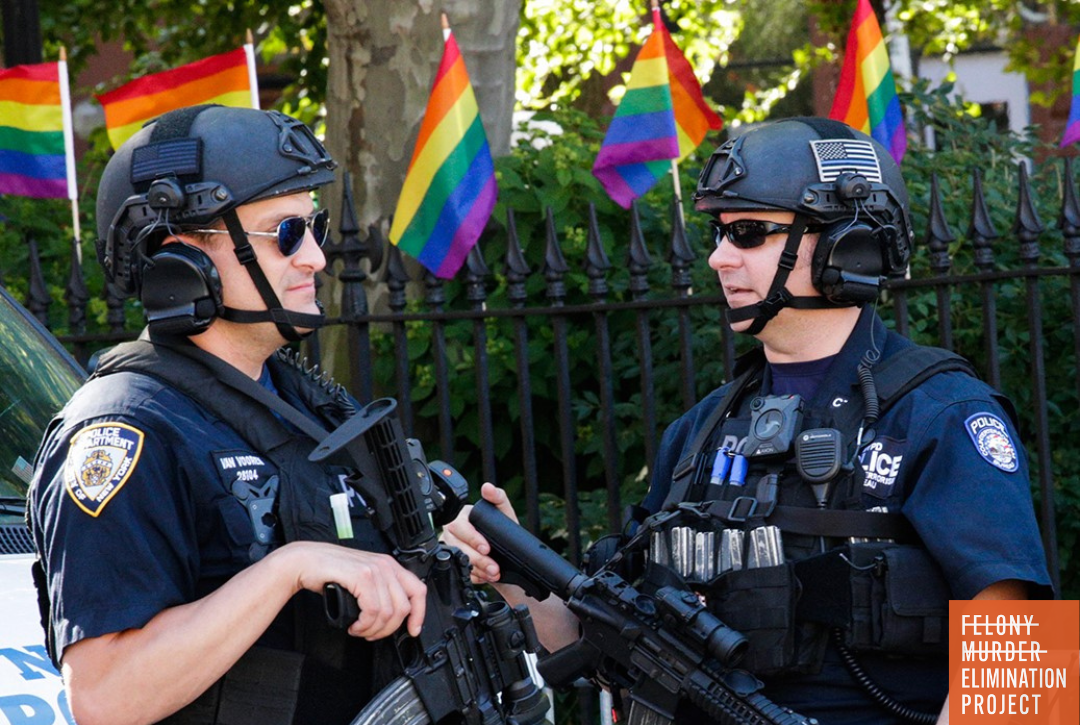
LGBTQ+ individuals are highly vulnerable to wrongful convictions due to deeply ingrained systemic bias, over-policing, and the weaponization of harmful stereotypes by the justice system. Lesbian, gay, bisexual, transgender, and queer people are overrepresented at every stage of criminal justice system, starting with juvenile justice system involvement. They are arrested, incarcerated, and subjected to community supervision at significantly higher rates than straight and cisgender people. This is especially true for trans people and queer women. While incarcerated, LGBTQ individuals are subject to particularly inhumane conditions and treatment.
This systemic disadvantage stems from several distinct legal and social vulnerabilities:
- Weaponized Stereotypes: Prosecutors frequently capitalize on prejudice by portraying LGBTQ+ defendants as inherently deviant, aggressive, or sexually predatory to sway juries.
- Over-policing and Criminalization: Historically and currently, LGBTQ+ people face disproportionately high arrest rates due to discriminatory enforcement of laws, including biased “manifesting prostitution” ordinances and HIV criminalization statutes.
- Institutional Misconduct: Police and prosecutors have a history of fabricating confessions, utilizing tunnel vision, or ignoring exculpatory evidence when handling cases involving queer defendants.
High-profile cases highlighting wrongful convictions of LGBTQ+ persons:
- The San Antonio Four: Four Latina lesbian women were wrongly convicted of gang-raping two young girls in 1994. The prosecution relied on fabricated evidence and homophobic narratives, leading to decades of incarceration before they were officially exonerated.
Bernard Baran: A gay man was wrongfully convicted during the “day-care sex-abuse hysteria” of the 1980s. His sexual orientation was directly weaponized to fuel baseless accusations of ritualistic abuse. - Leigh Stubbs and Tami Vance: The prosecution weaponized the women’s lesbianism, framing them as aggressive “sexually deviant” drug addicts. The state also relied heavily on bite-mark analysis from a notoriously discredited forensic odontologist, Dr. Michael West. In 2012, it was proven that no sexual assault ever took place, and the women were freed and exonerated in after spending nearly 11 years wrongly incarcerated.
As we celebrate the LGBTQ+ community this Pride month, it is important to acknowledge that this is a community under attack, with dozens of states passing homophobic and transphobic bills ranging from equitable healthcare access to banning classroom instruction about sexual orientation or gender identity to criminalizing the use of public accomodations that aligns with a persons gender identity.
In her book Manifesting Justice, Victoria Beety lays out a number of steps that the criminal legal system could take to better support and protect LGBTQ+ people. She notes that some progressive prosecutors are actively building relationships with LGBTQ+ nonprofits to investigate crimes against LGBTQ+ people. Beety also recommends that Conviction Integrity Units partner with LGBTQ+ nonprofits to identify people who have been victimized by the legal system and wrongfully convicted.
According to Beety, “The most important point is visibility. LGBTQ+ identity is largely suppressed in the courtroom, unless it is raised alongside tropes of criminality, deviance, and sex work. Sexual orientation and gender identity are often used to elicit bias in jury members and to capitalize on harmful stereotypes, even when LGTBQ+ identity is irrelevant to the case. Queer visibility is important to challenge and re-envision who holds power in the courtroom.”
You can read more in “Queer in Fear:The Role of Homophobia and Transphobia in Wrongful Convictions” from the Wrongful Conviction Law Review, a non-profit, open access, peer-reviewed international journal focusing on wrongful convictions and miscarriages of justice