The Berkeley Journal of Criminal Law (BJCL), one of the nation’s preeminent forums for discussing regional, national, and international criminal law issues, recently published “Confronting Climate Change in Correctional Facilities.” In the fall of 2025, the Berkeley Journal of Criminal Law and Berkeley Criminal Law and Justice Center hosted its third annual symposium focusing on the timely topic of confronting climate change in correctional facilities, ultimately producing this report.
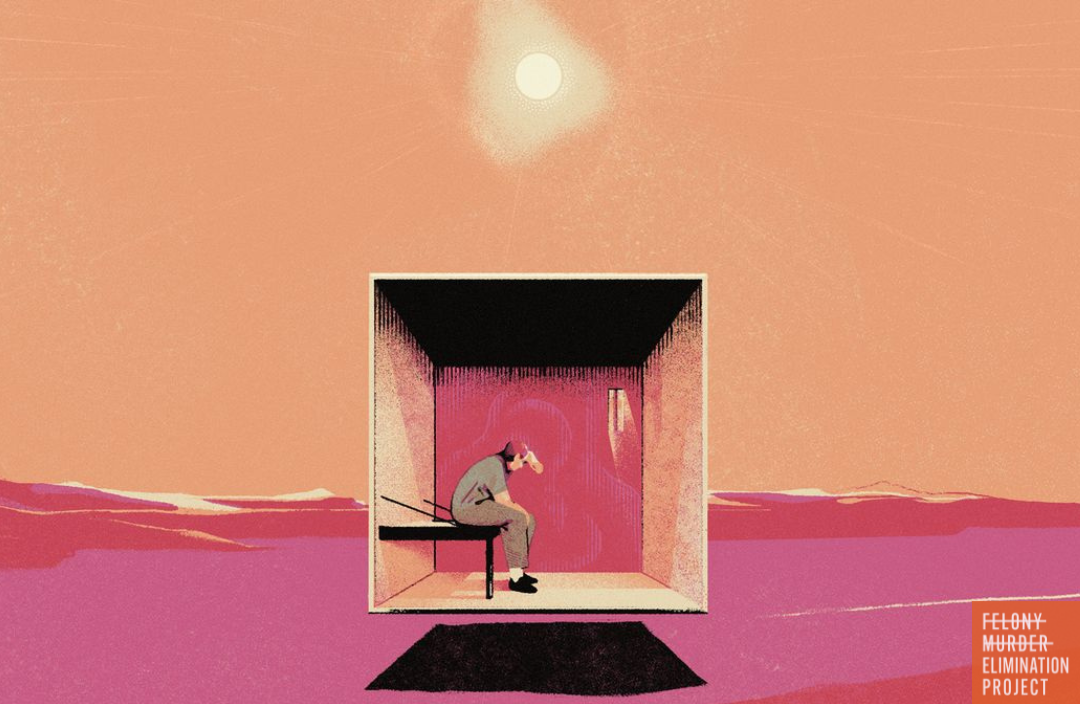
Prisons and jails are uniquely vulnerable to climate impacts: often located in geographic areas facing extreme environmental conditions, they are designed with aging infrastructure lacking in sufficient ventilation, cooling systems, and emergency response protocol. As extreme heat, wildfires, and flooding become more severe, these inadequate conditions transform carceral facilities into high-risk environments bearing disproportionate harm on those who are not free to leave.
Climate change renders many older correctional facilities life-threatening and uninhabitable due to extreme heat, severe weather disasters, and failing infrastructure. Over 98% of U.S. prisons experience heightened heat waves, and at least 44 states lack universal air conditioning. Incarcerated people are completely dependent on prison management for their safety. They cannot flee, they have no control over their environment, and they have limited ability to make behavioral changes to adapt to extreme heat, floods, or toxic air quality.
Key takeaways from the report:
- Unique Vulnerabilities: Prisons and jails are frequently located in extreme environmental zones and suffer from aging infrastructure, inadequate ventilation, and a lack of cooling systems or emergency protocols.
- Interdisciplinary Collaboration: The symposium brought together medical professionals, civil rights attorneys, researchers, journalists, and policymakers to break down professional silos that often prevents practical decision making from going forward.
- Exclusion of Lived Experiences: While the event aimed to highlight severe conditions, logistical constraints prevented the direct inclusion of individuals with lived incarceration experience, illustrating the ongoing challenge of centering marginalized voices in climate policy.
We have a legal and moral imperative to keep incarcerated people safe. Yet incarcerated people are systematically excluded from most state climate adaptation plans, and, in the rare cases that contingency plans for climate hazards exist, they are often unaware of them.
Read the report —>>> Introduction: Confronting Climate Change in Correctional Facilities Fall Symposium, October 22, 2025 Berkeley Law