
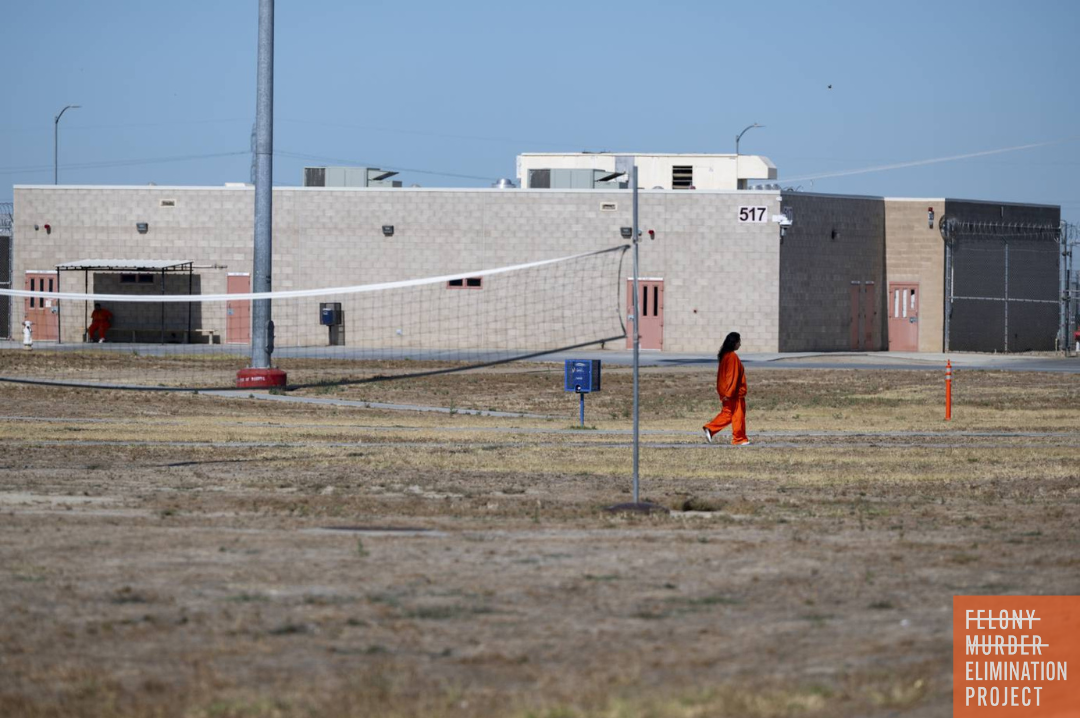
A two-year federal investigation found “Unbroken Pattern’ of sexual abuse by California prison staff,” and released a report detailing decades of staff sexual abuse against incarcerated women at the state’s correctional facilities.
The Justice Department began investigating the Central California Women’s Facility in Chowchilla and the California Institution for Women in Chino nearly two years ago after hundreds of incarcerated women filed legal claims alleging sexual exploitation by staff and an officer was arrested for sexually abusing at least 22 women.
The department reviewed 350 allegations of sexual misconduct, interviewed prisoners and looked at body-worn camera footage.
In a report released in August 2026, investigators said they found an “unbroken pattern” of staff sexual assault dating back over 20 years at California’s two women’s prisons. The department concluded that prison officials knew women faced a substantial risk of sexual abuse but failed to adequately protect them.
Investigators pointed to gaps in surveillance camera coverage, a lack of confidential reporting options, inadequate investigations and failures to hold staff accountable — systemic problems the DOJ said amount to “deliberate indifference” and violate incarcerated women’s constitutional rights.
“None of this should be surprising to CDCR (California Department of Corrections and Rehabilitation), none of it should be surprising to the Legislature,” said Amika Mota, executive director of the prison advocacy organization Sister Warriors Freedom Coalition. Survivors have spent years speaking out at “hearings, in town halls, in reports,” she said, trying to get officials to address sexual abuse by prison staff.
State prison officials say they have a zero-tolerance policy for sexual assault by staff, and that they have taken steps to improve reporting options and expand the use of cameras. But Assistant U.S. Attorney Alexandra Young said those reforms have not fixed the underlying problems.
“Women were not being protected,” Young said in an interview with KQED. “It was the cycle that’s continuing to happen.”
At the prison in Chowchilla, federal investigators found blind spots around its Plant Operations area and in prison kitchens. Women at both prisons told investigators that kitchen storage rooms without cameras are known as “sugar rooms,” because sugar is stored there and because sexual activity can occur there without detection. Investigators also found abandoned buildings where abuse had occurred.
The report also found correctional officers failed to properly use body-worn cameras, at times turning them off in violation of prison policy. The report pointed out that only correctional officers are required to wear body cameras, despite confirmed cases of sexual misconduct by other staff, including a cook, mental health counselor and work-program staff.
At the California Institution for Women, the report points to cases dating back more than a decade, including correctional officers who were convicted or disciplined for sexually abusing incarcerated women.
The hundreds of allegations reviewed by federal investigators likely capture only a portion of the abuse, according to Mota. While she said reporting increased in recent years as more survivors began speaking out, many cases still go unreported for fear of retaliation.
Women described officers issuing disciplinary violations, searching their cells, taking their property and restricting privileges after complaints were made.
Some women said they waited until they were released, transferred to another prison or retained an attorney before reporting alleged abuse.
The federal report also concluded that an August 2024 mass use-of-force incident at CCWF was retaliation for women reporting staff sexual abuse. Young said DOJ investigators spent significant time interviewing women and reviewing files related to the incident, which resulted in injuries ranging from seizures to blindness.
CDCR reached a $1.9 million settlement in April with 13 women injured during the incident. Its investigators imposed termination, retraining and other corrective actions after concluding that 41 employees violated department policy.
“The state must confront the persistent failure of its own employees to prevent and address sexual abuse at these facilities and the systemic breakdowns that have permitted these conditions to persist,” First Assistant U.S. Attorney Bill Essayli for the Central District of California said in a statement. “This report should serve as a turning point.”
You can read the full Department of Justice report here —>>> INVESTIGATION OF CENTRAL CALIFORNIA WOMEN’S FACILITY AND CALIFORNIA INSTITUTION FOR WOMEN