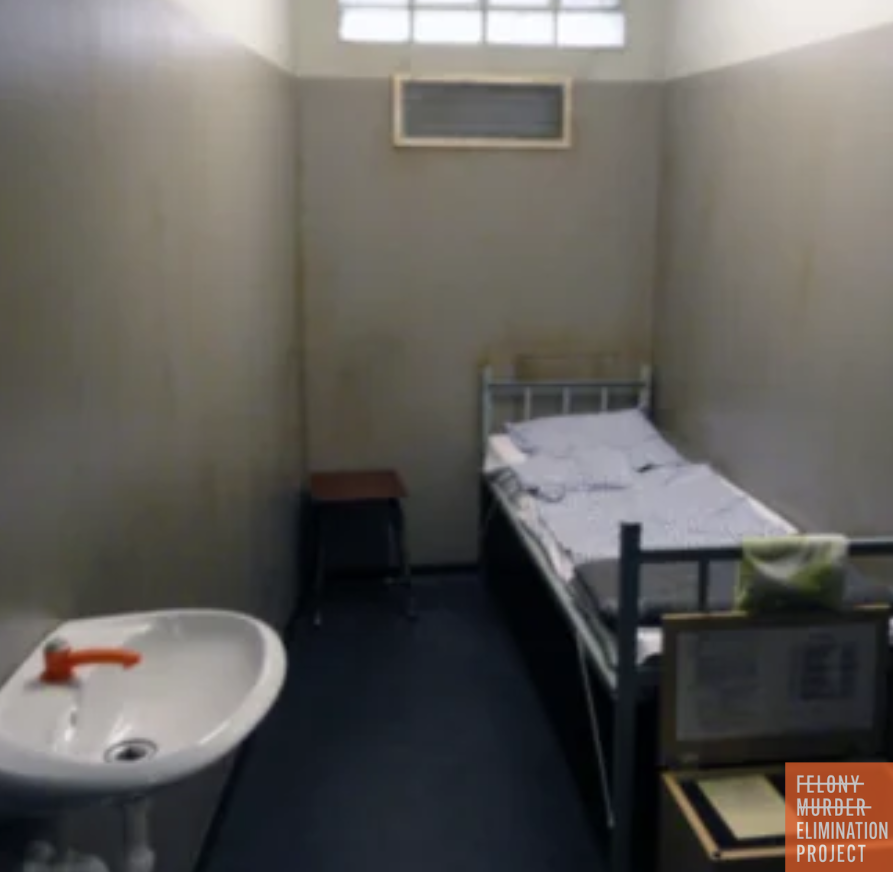
A bill to restrict solitary confinement use in New Mexico’s jails and prisons easily passed the New Mexico State Senate last Friday, and the New Mexico House concurred with Senate changes later in the day.
Many international bodies and human rights organizations classify prolonged isolation as inherently abusive, noting that the U.S. is a major industrial nation that routinely utilizes long-term solitary confinement. The United Nations defines solitary confinement lasting longer than 15 consecutive days as a form of torture or cruel, inhuman, and degrading treatment under the United Nations Standard Minimum Rules for the Treatment of Prisoners (The Mandela Rules).
House Bill 175 would forbid “restricted housing,” defined as 22 or more consecutive hours in a cell “without daily, meaningful and sustained human interaction, for pregnant women in the state’s county jails and prisons and for children in juvenile lock-ups. The measure also would limit how corrections officers and administrators in the state’s 28 county jails and 11 prisons can use the controversial practice on people living with or exhibiting signs of mental illness.
Early versions of the bill, sponsored by Rep. Antonio “Moe” Maestas, D-Albuquerque, placed a 48-hour cap on solitary for inmates with mental health issues. But objections from county officials and others led to a series of compromises, including longer stays in solitary for incarcerate persons if they “pose an extreme and ongoing threat to another person.”
The House passed the latest version of the bill last week 38-22. The measure passed the Senate on a 29-3 vote, with three Republicans voting against it: Greg Baca of Belen, Bill Payne of Albuquerque, and Bill Sharer of Farmington. Whether the governor will sign the bill remains to be seen.
The reforms come as several other states and the federal government have curtailed the use of solitary confinement, which has been shown in numerous studies to exacerbate mental illness, create mental health problems where none existed before and distort brain development in children.
Steven Robert Allen, policy director for the American Civil Liberties Union of New Mexico and an advocate for solitary reform, said he was pleased with the Senate vote on the bill, which he described as “noncontroversial.”
“I think this is a sign that the (Legislature) and New Mexico in general have come a long way in recognizing that this is a real problem in our state. We would’ve preferred a stronger bill. In the past, we’ve proposed a ban on solitary for all inmates of 15 days or more. But this is a compromise process, the corrections officers and administrators needed to be at the table, and this result will help begin to address the problem,” Allen stated.
If signed by the governor, HB175 also will require the state Department of Corrections and county jails to file quarterly reports with the Legislature and county commissions detailing how many people they’re holding in solitary, how long they’ve been confined that way and what the plan is to move them back into general population. Currently, lawmakers say county officials and the Corrections Department do not provide those figures.