The following essay “Finding Sisterhood in a Cell” is written by incarcerated writer Kwaneta Harris, and appears on her Substack, Write or Die.
Excerpts appear below.
Charlotte and I were roommates before we were anything else, two brand-new inmates locked in a cell together, too afraid of the “criminals” outside our door to ever step past it.
For weeks we stayed inside that cell like it was a bunker, listening to footsteps in the hallway and flinching at every raised voice. We whispered about the women beyond our door like they were a different species, something dangerous we’d been mistakenly placed near. Then one morning it hit us both at the same time. We were not visitors here. We were not exceptions. We were now counted among the very “criminals” we’d been hiding from.
That realization should have broken something in us. Instead, it built something between us.
It stretched further than I ever imagined. When I was transferred to another prison and swallowed by solitary confinement for almost nine years, the rules said Charlotte and I could no longer write to each other.
Five years into my isolation, she volunteered for an unpaid job hauling boxes through a building with no air conditioning, where the heat climbed past a hundred degrees. She didn’t do it for the work. She did it because that route let her pass by and check on her little sister. That single choice tells you everything about who Charlotte is.
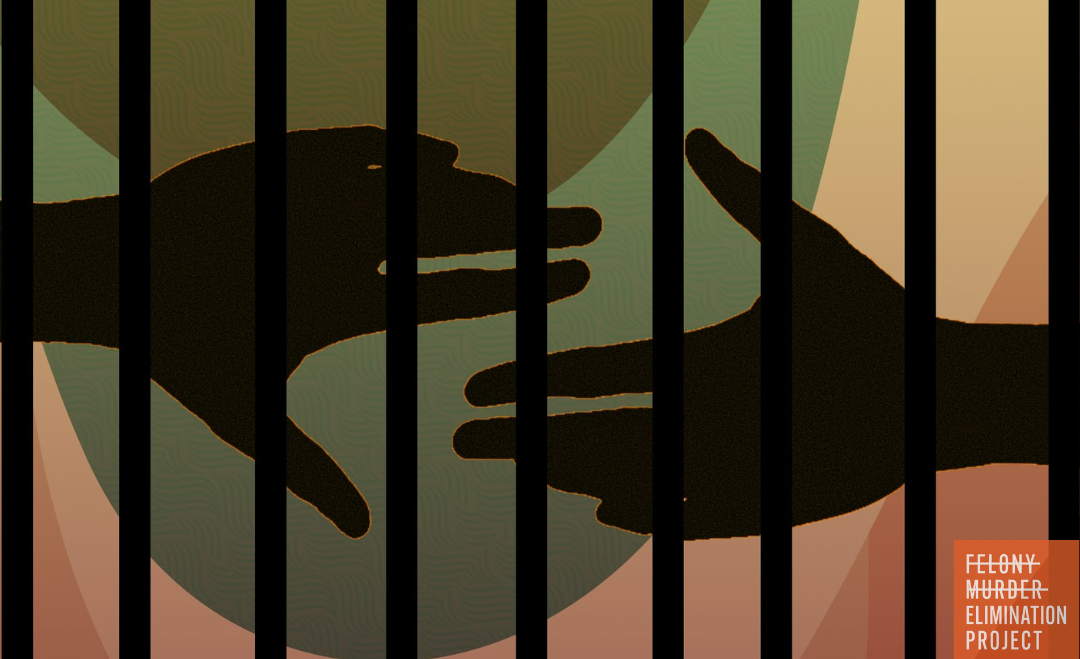
This story matters because right now, people in solitary confinement are dying by suicide at a rate of about one a week. Those are not statistics. Those are human beings pushed into isolation so complete that death starts to feel like company. Charlotte looked directly at that darkness and walked toward it instead of away from it. She is proof that connection saves lives, that simply showing up matters, that no one should have to suffer entirely alone. There are Charlottes in prisons across this country doing this same quiet, unglamorous work, and almost nobody is talking about them.
Charlotte did not just save me. She is saving people she has never even met. Every time she sits outside a solitary cell, she is telling a stranger that their life still has value. She is breaking through the kind of isolation that kills faster than any disease, and the numbers prove it. Fewer women are dying since volunteers like her started showing up. Those are mothers, daughters, and sisters who get to keep breathing because Charlotte chose the hardest job in the worst conditions for no pay and no recognition, and turned it into a lifeline anyway.
You can read the full essay “Finding Sisterhood in a Cell” by Kwaneta Harris on her Substack, Write or Die.
Kwaneta Harris is a former nurse, business owner, and expat, now an incarcerated journalist and Movements Against Mass Incarceration Social Change Fellow. In her writing, she illuminates how the experience of being incarcerated in the largest state prison in Texas is vastly different for women in ways that directly map onto a culture rooted in misogyny. Her stories expose how the intersection of gender, race, and place contribute to state-sanctioned, gender-based violence.