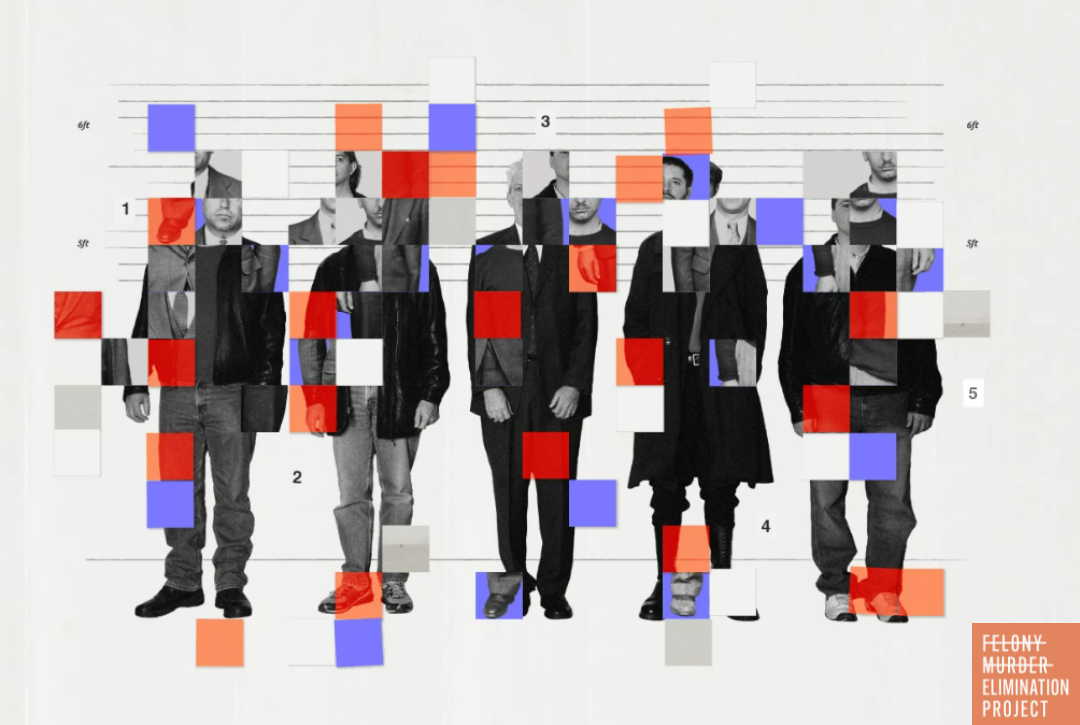
In a recent feature from Nature Magazine “The New Science of When to Trust Eyewitness Testimony,” psychologists outline several primary concerns regarding eyewitness testimony.
Eyewitness testimony is highly influential in the courtroom, but psychology and DNA exoneration data prove it is notoriously unreliable. Because human memory operates like a malleable puzzle rather than a flawless video recording, accounts are easily distorted by stress, the passage of time, suggestive questioning, and inherent biases. The Innocence Project notes that just over 60% of clients they have worked with were imprisoned in part due to eyewitness errors, both intentional as well as unintentional, and eyewitness misidentification is the single greatest cause of wrongful convictions in the United States, playing a role in over 75% of DNA-based exoneration cases.
Psychologists note the following concerns:
Memory Reconstruction: Human memory isn’t permanent; it is actively pieced together upon recall. Information learned after the event can seamlessly blend into the original memory, altering the recollection of the crime.
The “Weapon Focus” Effect: Witnesses in high-stress situations (like a robbery) tend to intensely focus on the perpetrator’s weapon rather than their facial features, significantly reducing identification accuracy.
Suggestive Lineup Procedures: Improperly conducted police lineups—such as using biased instructions or having the administrator know who the suspect is—can subtly pressure a witness into identifying an innocent person.
The Certainty Trap: There is often little correlation between a witness’s confidence and their actual accuracy. A highly confident eyewitness makes a compelling impression on a jury, even if their memory is fundamentally flawed.
Cross-Racial Impairment: People are generally less accurate when identifying faces of a race different from their own, a phenomenon known as the own-race bias.
There’s no way to control every factor that affects an eyewitness’s accuracy and memory. However, some variables, called system variables, can be controlled. In “Policy and Procedure Recommendations for the Collection and Preservation of Eyewitness Identification Evidence,” Psychologist Gary Wells and colleagues summarize research on eyewitness identification and identify best practices for obtaining reliable evidence. These include using double-blind procedures for lineups (where neither the officer presenting the lineup nor the eyewitness are aware of who the suspect is in said lineup), reminding eyewitnesses not to speak with one another about the event, selecting lineup non-suspect lineup members (fillers) so that the suspect does not stand out in the lineup, recording the identification procedure, not using showups (showing only an image of the suspect to the eyewitness), avoiding multiple identification procedures, and minimizing the amount of time between witnessing a crime and interviewing eyewitnesses where possible.
Given the importance of eyewitness testimony in securing convictions, police, lawyers and courts must do everything possible to ensure these identifications are accurate so as to avoid wrongful convictions.
You can read more in “The New Science of When to Trust Eyewitness Testimony” from Nature Magazine. Nature Magazine is a weekly international journal publishing the finest peer-reviewed research in all fields of science and technology on the basis of its originality, importance, interdisciplinary interest, timeliness, accessibility, elegance and surprising conclusions. Nature also provides rapid, authoritative, insightful and arresting news and interpretation of topical and coming trends affecting science, scientists and the wider public.