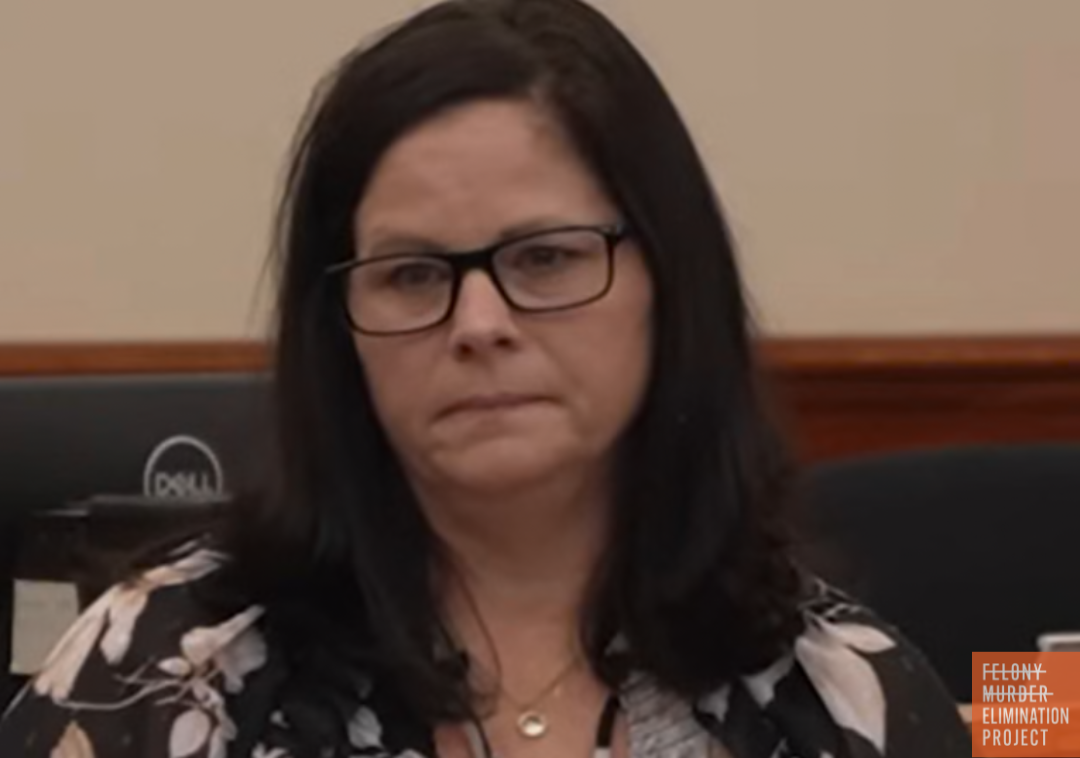
Last week, an important judicial decision in Florida overturned a felony murder conviction for a tragic, accidental death. An appellate court in Florida overturned the third-degree felony murder conviction and the separate underlying felony conviction of Rhonda Jewell for an accidental act of leaving a baby unattended in a vehicle, resulting in the baby’s death.
Jewell had been sentenced to 17 years of incarceration for these convictions. The appellate court determined that a felony murder conviction cannot rest on an underlying felony that requires no knowledge or intent (called a “strict liability” offense). The court noted that, historically, crimes require some degree of knowledge, and that this is especially true for offenses like felony murder that carry the potential for harsh punishment.
Felony murder laws treat a homicide that occurred during the commission of a felony as murder, even for individuals who had no intent to cause death or serious injury.
Because the jury had not been informed that it could only find Jewell guilty of the underlying felony and third-degree felony murder if it determined that she knowingly left the child in the vehicle, her felony murder conviction could not stand. In fact, jurors acquitted Jewell of aggravated manslaughter, the only charge they were told required a finding that Jewell acted in a way that showed reckless disregard for the baby’s life.
The legal team representing Ms. Jewell includes MacArthur Justice Center’s Christine Monta, Nethra Raman, and Katie Pleiss. The Sentencing Project joined seven law professors in filing an amicus brief urging the court to reverse a felony murder conviction that required no underlying intent whatsoever.
“Tragic accidents are not the equivalent of murder, and the court rightly recognized that Ms Jewell should not be criminally punished for an act that the State of Florida did not – and cannot – prove was knowingly and consciously done,” said Monta.
Although other countries have largely rejected the felony murder doctrine, 48 states, the District of Columbia, and the federal government still use these laws.
Convictions and lengthy sentences for crimes that involve no intent do nothing to prevent crime or keep our communities safe. It is also a clear violation of how our legal system is supposed to work, where a criminal conviction and sentence is proportional to the moral weight of a crime.
You can read more about this decision in “Florida court reverses felony murder charge for death of baby left in hot car” from The Guardian.