The Texas Penal Code § 7.01–7.02 establishes the “law of parties,” meaning a person can be charged and convicted for a crime someone else physically carried out. This applies if you help, encourage, or plan the offense with the intent to promote or assist it. Defendants can provide “Active Help” (You drive a getaway car, act as a lookout, or hand a weapon to the main actor), “Shared Intent” (You must act with the mental state needed for the crime. Just being at the scene of a crime does not make you guilty), “Conspiracy Extension” (If you plan one felony with others, and a group member commits a different felony while carrying out the plan, you are responsible if you should have expected it.)
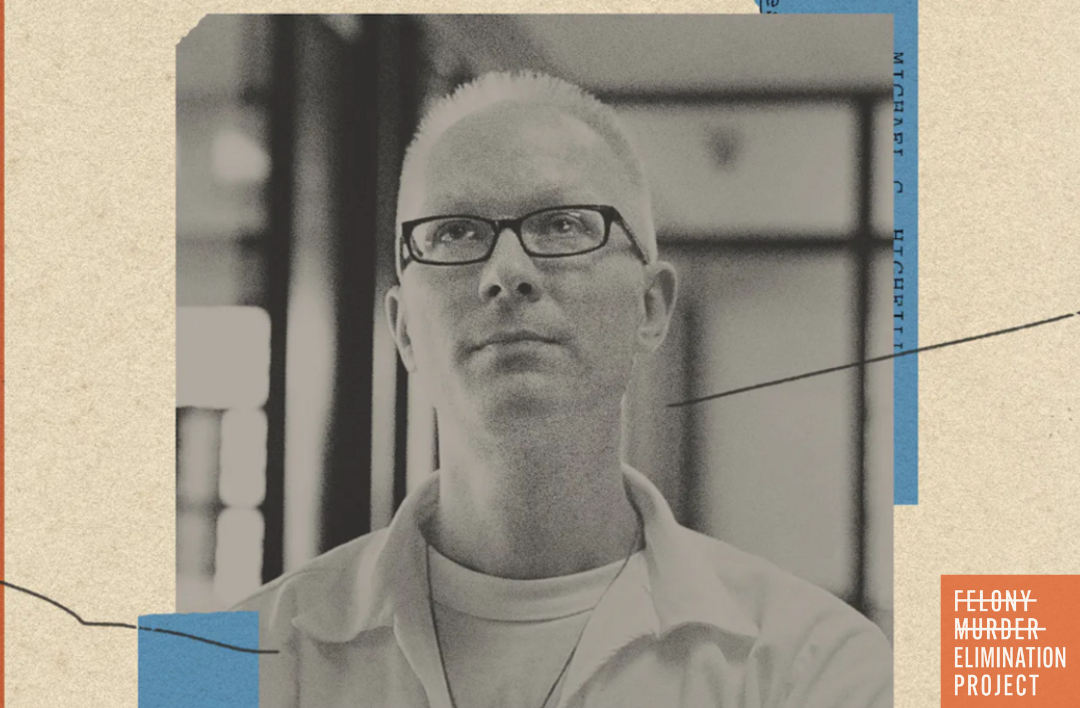
In 2000, Michael Highfill was convicted of capital murder in connection with a 1998 shooting death in Austin, Texas. According to court records, a woman named Rebecca Walton admitted to shooting and killing Luis Flores and said Highfill was not involved in the actual killing act.
Their cases were tried separately. Highfill was found guilty of the crime under Texas’ “law of parties” and got a longer sentence. Walton was partially acquitted, charged with murder instead of capital murder. She will be eligible for parole before Highfill will.
Highfill met Walton, his co-defendant, in Austin. According to court records as well as Highfill’s deposition, Walton pretended to sell Flores a gun but ultimately shot and killed him in a car in a remote area of north Austin and robbed him. Highfill was also in the car. During his deposition, he cried as he told attorneys about that day. He also said he had no idea Walton had this plan and he did not assist or encourage it.
Attorneys with the Texas Defender Service, a nonprofit legal organization, as well as state prosecutors, have participated in hearings reviewing evidence related to this case. The TDS filed a motion to execute these hearings with the goal of getting Highfill out of custody, claiming his constitutional rights were violated through his prosecutorial process and there is no reason his sentence should have been longer than Walton’s.
According to an order related to these writ hearings, the court found that certain issues pertaining to Highfill’s original prosecution need to be resolved:
- Whether Highfill’s Fourth Amendment rights were violated due to the possibility of some favorable evidence not getting disclosed
- Alleged issues related to false testimony about Highfill’s statements to law enforcement
- Alleged “cumulative errors” that created a “fundamentally unfair trial”
In a statement, the district attorney’s office agreed with some of Highfill’s attorneys’ claims saying in a statement “our hearts go out to the family of the victim, both for their loss and for the pain that is caused by having to relive the trauma of the past. However, after a thorough review of the case, including information the jury was not aware of at the time of trial, we believe the evidence shows that the co-defendant acted alone and Mr. Highfill was not culpable.”
Read more about Highfill’s case in “He Watched a Murder From the Back Seat. Now He’s Serving a Life Sentence” at the Texas Monthly website.