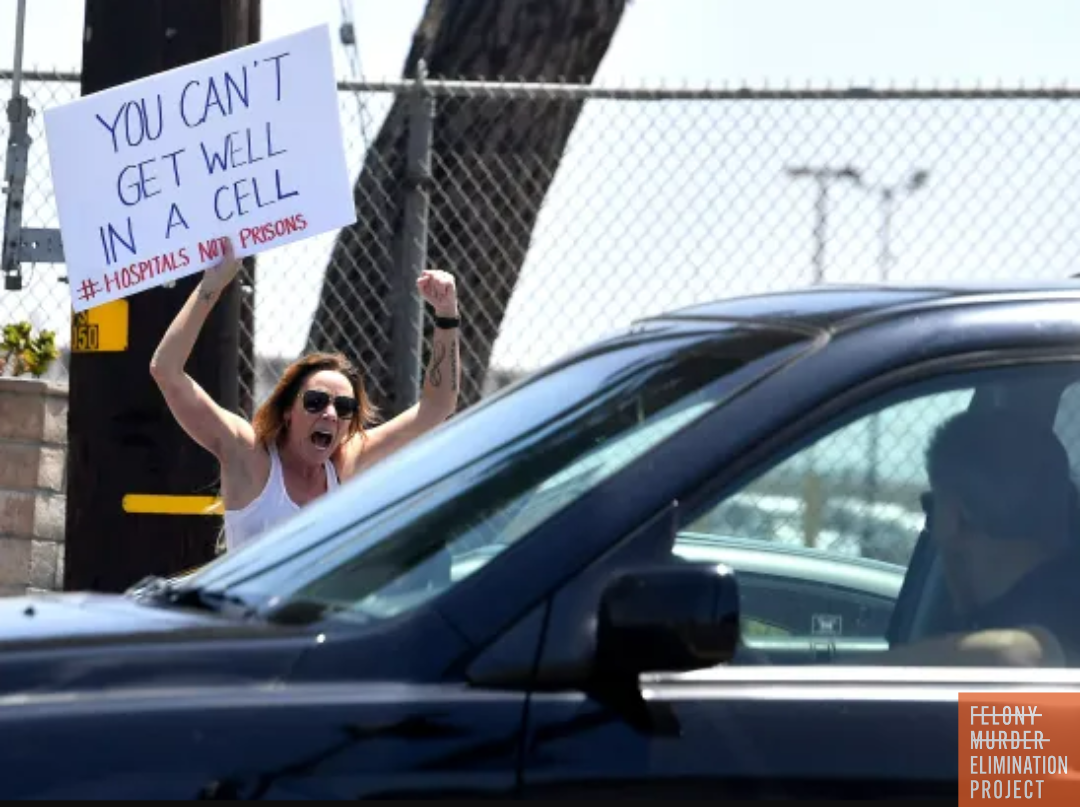
In “What We’ve Been Taught About Race Is Wrong,” a recent podcast episode from Know Your Rights Camp, Dr. Terence Keel addresses the idea that “You Can’t Get Well in a Cell,” highlighting the systemic failures where underfunded healthcare, housing, and social services lead to the criminalization of poverty and illness. Instead of receiving treatment or support, unhoused, addicted, and mentally ill individuals are routinely placed in jail with no adequate mental health support or services.
It’s a culmination of decades of policies affecting those with a mental illness. Many of the nation’s asylums and hospitals were closed over the past 60-plus years, including some horrific places that needed to be shuttered, while others emptied to cut costs.
The idea was that they’d be replaced with community-based mental health care and supportive services. That didn’t happen. Ensuing decades saw tougher sentencing under aggressive “war on drugs and crime” policies as well as cuts to subsidized housing and mental health. It all created a perfect storm of failed policies driving more of the mentally ill into the nation’s jails and prisons.
Many were left to fend for themselves. Substance abuse and homelessness sometimes followed, as did encounters with police, who often are called first to help deal with the effects of or related to mental crises, and puts jails in an awkward position. Today the three biggest mental health centers in America are jails: Los Angeles County’s Twin Towers city jail, Cook County Jail in Chicago, and New York City’s Rikers Island jail. Without the support needed, conditions have created new asylums, advocates say, that can resemble the very places they vowed to shut down.
“Local jails and prisons have become the de facto mental health institutions,” says Elizabeth Hancq, director of research at the Treatment Advocacy Center, a national nonprofit that works to eliminate barriers to treatment for people with severe mental illness. “It’s really a humanitarian crisis that if you suffer from a severe mental illness in this country, you almost need to commit a crime in order to get into the system.”
Almost one-third of people with a mental illness get into the treatment systems through an encounter with a police officer, studies show. The lack of available treatment beds nationally means more people with a mental illness are stuck in jails until one becomes available, often for painfully long periods.
You can watch the full podcast episode, “What We’ve Been Taught About Race Is Wrong” at the Know Your Rights Camp Youtube channel. Know Your Rights Camp aims to advance the liberation and well-being of Black and Brown communities through education, self-empowerment, mass-mobilization and the creation of new systems that elevate the next generation of change leaders.
Dr. Terence Keel is a Professor of Human Biology and Society, and African American Studies at the University of California, Los Angeles. He is also the author of Divine Variations: How Christian Thought Became Racial Science and The Coroner’s Silence: Death Records and the Hidden Victims of Police Violence.