
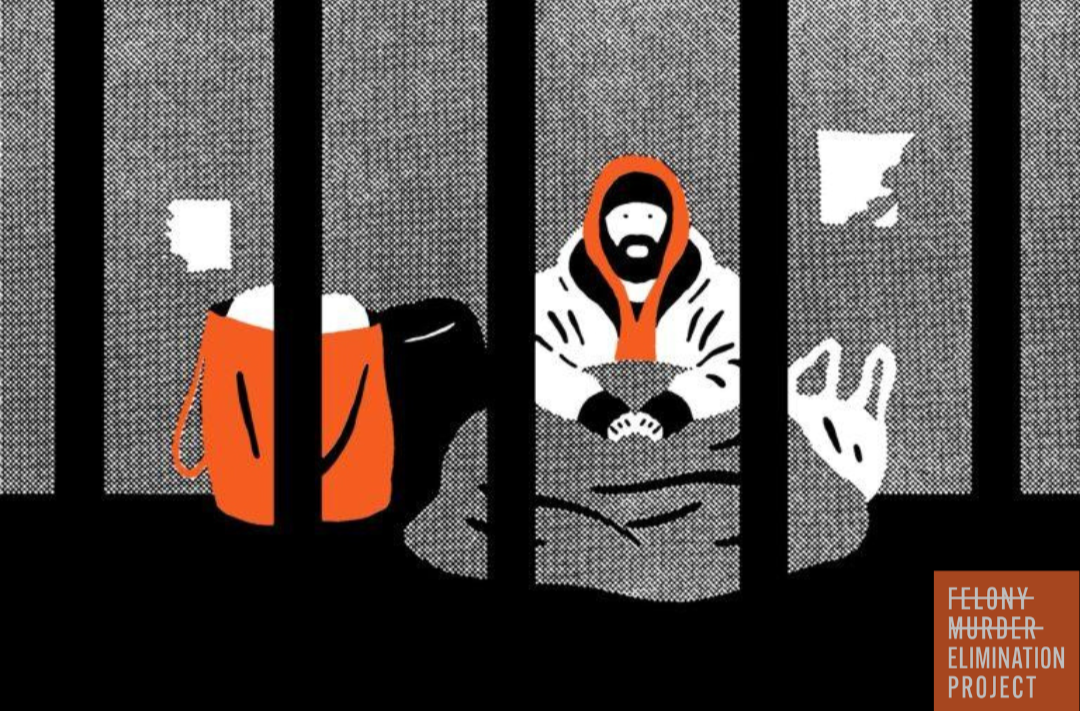
Driven by a landmark 2024 Supreme Court ruling (Grants Pass v. Johnson), the push to criminalize homelessness has seen many local governments and states enacting measures allowing the arrest and incarceration of individuals for sitting or sleeping on public property. Johnson determined that enforcing criminal punishments against people sleeping outside does not violate the Eighth Amendment’s “cruel and unusual punishment” clause, even if no adequate shelter space is available.
Rather than find spaces to collaborate with advocates and organizations for unhoused persons to reduce homeless rates, jails have become America’s misguided answer to problems for people facing poverty and homelessness. the number of incarcerated individuals who are homeless is widely recognized as alarmingly high, with an estimated 15% of incarcerated people experiencing homelessness in the year prior to their admission. Laws criminalizing homelessness have multiplied in the last 10 years in 187 studied cities, according to the report “Housing, Not Handcuffs” from the National Law Center on Homelessness and Poverty.
A more alarming statistic; more than 40% of unhoused people booked into jail are rebooked within a single year, highlighting how local law enforcement frequently utilizes jails to penalize poverty and homelessness rather than address underlying social issues.
Housing advocates, civil rights organizations, and policy institutes strongly oppose the incarceration of the homeless, pointing to systemic hurdles and economic costs.
- Cycle of Poverty: Arrest records and fines create compounding barriers. A criminal record makes it much more difficult to secure future employment or permanent housing, deepening the cycle of homelessness.
- Financial Burden: Studies consistently show that incarceration is an incredibly expensive approach. According to data from a 2021 Vera Institute of Justice report, housing a homeless person in jail or processing them through the legal system costs taxpayers substantially more on a per-person basis than simply providing stable housing and social services.
- Availability of Shelter: Advocates for unhoused persons point out that in many regions, emergency shelters are already operating over capacity or do not allow pets, partners, or certain behavioral issues, meaning individuals often have nowhere else to go.
Advocacy groups like the U.S. Interagency Council on Homelessness highlight that breaking this cycle requires housing-first policies and alternatives to the criminalization of homelessness. Local justice systems can help avoid these devastating consequences by halting the issuance of warrants for minor offenses and providing direct housing pathways for individuals leaving correctional facilities.
You can read more in “Jailing the homeless: New data shed light on unhoused people in local jails” from the Prison Policy Initiative, a non-profit organization that produces cutting edge research to expose the broader harm of mass criminalization, and then sparks advocacy campaigns to create a more just society.