When examining health care in Prisons, facilities generally provide basic medical, dental, and mental health services, but often struggle with inadequate resources, understaffing, and security restrictions, leading to poor quality care, preventable deaths, and barriers like copays, despite legal mandates for adequate care (Estelle v. Gamble). Incarcerated individuals, who often have high rates of chronic conditions, face significant hurdles accessing care, with costs and systemic issues compounding challenges, especially with an aging prison population.
State and federal prisons have a long track record of failing to provide adequate medical care to the people in their custody, leading to preventable and premature deaths that are rarely scrutinized. The rapidly aging prison population is now putting more strain on a system that is already failing, according to an investigation by Vox Magazine.
Being in prison, with often unconstitutional levels of inadequate medical and mental health care, violence, and poor sanitation, can take years off a person’s life. Studies have shown that a 59-year-old in prison has the same morbidity rate as a nonincarcerated 75-year-old and people in prison are much more like to show signs of cognitive decline, including dementia, at an earlier age than the general population.
Even treatable illnesses become fatal in prison due to systemic neglect, including ignored symptoms, understaffed/undertrained medical teams, security overriding care, lack of resources (like expensive treatments for Hepatitis C), and poor conditions (overcrowding/stress) exacerbating conditions, leading to delayed diagnoses, inadequate treatment, and preventable deaths from conditions like infections, cancer, and substance use disorders.
This reality is fueled by two interconnected crises. First, the incarcerated population carries a disproportionately high burden of chronic conditions like high blood pressure, arthritis, asthma, and infectious diseases. Second, the carceral environment itself acts as an incubator for disease, with factors like overcrowding, poor sanitation, and limited access to health care accelerating the spread of illness and the deterioration of health.
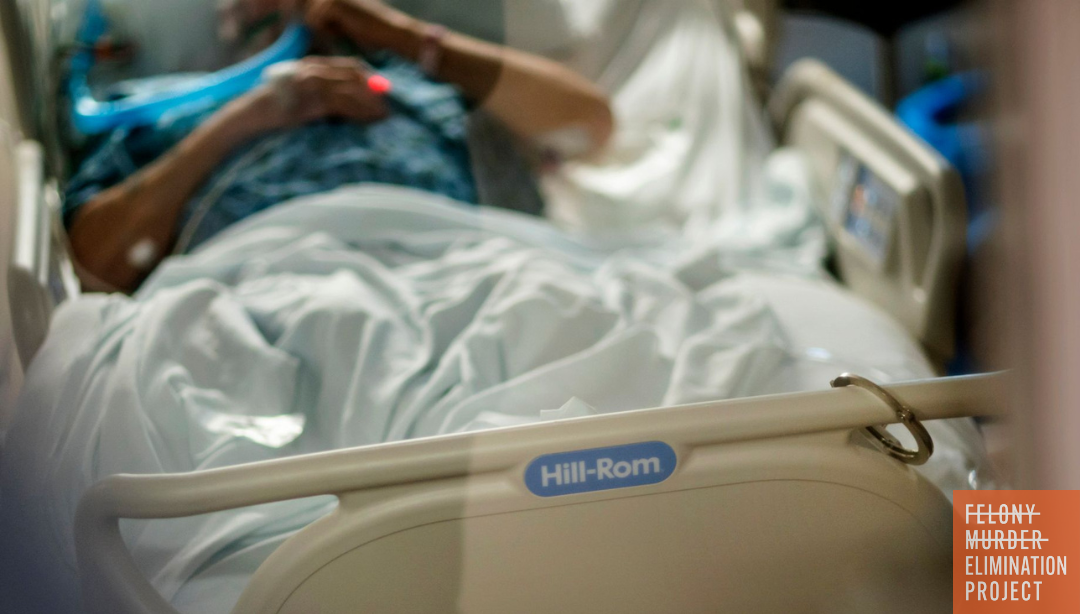
Additionally, unhygienic conditions and medical delays mean Americans are dying in jails and prisons at unexpectedly high rates from sepsis, an extreme immune system reaction to infection. When caught promptly, the condition can often be treated simply with antibiotics and fluids. Left untreated, it quickly leads to organ failure and death.
“We had a lot of prisoners come into our ICU. Anecdotally, by the time the prisoners got to us with sepsis, it was already too late to do anything. Most of them, if not all of them, would die, which is not typical,” Dr. Jason Chertoff a Zanesville, Ohio ICU physician stated. “Septic shock is certainly life-threatening and serious, but if caught early, it’s very, very treatable.”
“It’s just kind of a forgotten, underappreciated population that, frankly it sounds awful, but not many people care about,” Chertoff continued. “A lot of people probably think, ‘Oh, they deserve that treatment.”
You can read more in “What’s So Scary About Treatable Conditions Behind Bars?” at the Marshall Project website. The Marshall Project is a nonpartisan, nonprofit news organization that seeks to create and sustain a sense of national urgency about the U.S. criminal justice system.