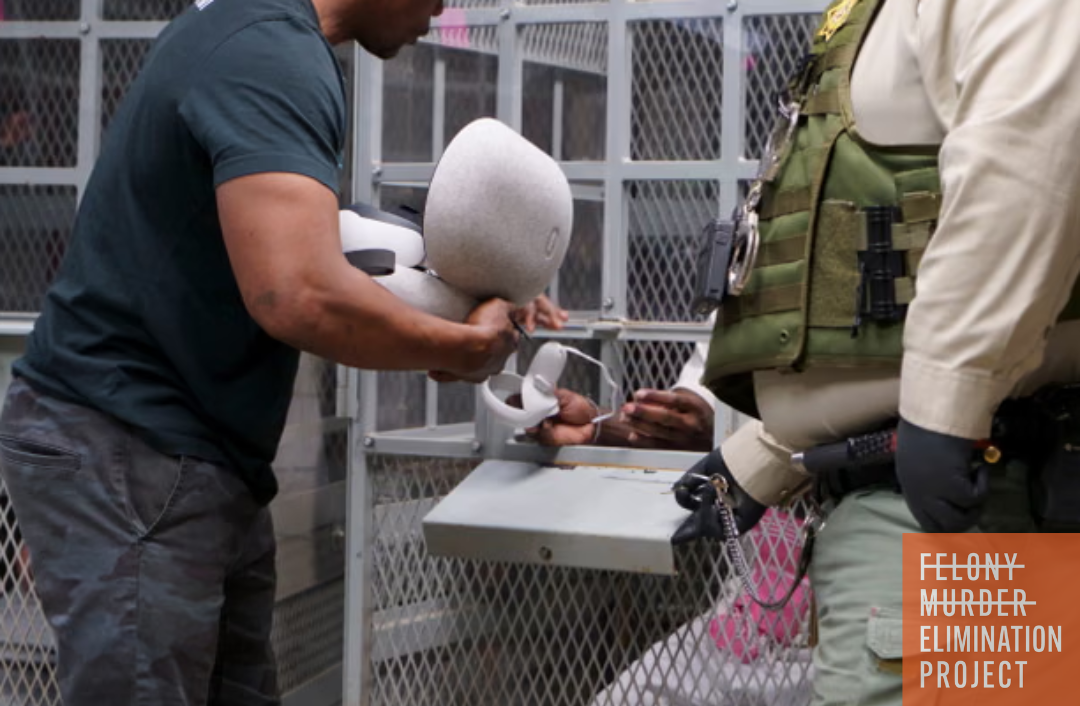
A Los Angeles-based nonprofit is bringing virtual reality headsets in California prisons with the goal of providing incarcerated persons a brief escape and, more importantly, exposure to real world scenarios that will prepare them to reenter society. VR headsets in prisons are used for rehabilitation, offering immersive experiences for job training (like interviews, mechanics) and practical life skills (like grocery shopping), as well as therapeutic escapes to beautiful locations to help heal trauma and prepare for reentry, with programs in California and Europe showing promise for improving skills and emotional regulation.
During a weeklong program last month, incarcerated men at Valley State Prison near Fresno sat on metal folding chairs in a common area, working with volunteers from Creative Acts, the organization behind the program. They shuffled in their seats as they were outfitted with the headsets that resemble opaque goggles. Their necks contorted slightly and smiles spread across their faces as the high-definition videos started and their journeys commenced.
Some saw the sights on the other side of the globe, including Bangkok, while others experienced more practical scenes, such as job interviews. The men sit across virtual desks from virtual interviewers who are both easygoing and hard-nosed to give them the tools for finding employment once they’re released.
“For a lot of us, the workforce has changed and things are different with the application process,” said Jacob Smith, who is eligible for parole in 2031 and now volunteers helping his fellow inmates navigate the VR experience. “It’s a nerve wracking experience going to sit in front of somebody and telling them why I’m good for the job.”
Afterward, volunteers help the incarcerated participants process the emotions or traumas that bubbled up during their experiences. Sabra Williams, founder of the nonprofit Creative Acts, calls the VR devices a “hope machine.”
Now released, Carlos Ortega went through the virtual reality program in March of last year while in solitary confinement at Corcoran state prison. At 6ft tall, he remembers needing to sit down on the provided stool within the solitary cage to immerse himself in the VR scenes, even though the headset’s 360-degree view was programmed to work within the cage’s confines.
“If you’re not mindful of your body in prison, that can lead to conflict. We’re always aware of the amount of space we have, so I didn’t fidget a lot,” he shares. Ortega rarely bumped into the walls, carefully moving his torso and neck in order to take in his surroundings. “It was difficult, but we worked with what we got.”
Creative Acts seeks to work against this hardened environment. The California-based organization relies on the arts as a resource for behavioral change and practical preparation for coming home from prison. With VR in four institutions (Valley state prison (VSP), Kern Valley state prison, Corcoran state prison and the Central California Women’s Facility (CCWF), the organization has more requests coming in from other California facilities.
Creative Acts is a Black-founded, ‘Global Majority’ organization and use the arts and virtual reality in a highly innovative approach to radically reframing justice and healing in carceral systems and in the communities people return to. You can read more about Creative Acts at their website.