The California CARE Court Program is a civil court program for individuals with severe, untreated mental illness who struggle to care for themselves, allowing family, first responders, or providers to petition for court-ordered treatment plans that include medication, housing, and support to prevent crises like hospitalization or incarceration, aiming to provide a less restrictive path to care than involuntary conservatorship.
CARE Court (Community Assistance, Recovery, and Empowerment Court) started with Governor Gavin Newsom’s push in 2022 to address severe mental illness, homelessness, and substance use crises, creating a new civil court process through the CARE Act (Senate Bill 1338). The program provides community-based services and can mandate participation if voluntary treatment is refused, expanding recent legislation to potentially include bipolar disorder, with the goal of connecting vulnerable people to vital mental health and housing resources.
CARE Court began rolling out in California in October 2023. People enter it through a petition, which can be filed by their family members, first responders or mental health clinicians. Almost all of the agreements are voluntary, and even court-ordered treatment plans can’t force compliance.
But data from the state and counties, as well as interviews with service providers, CARE Court participants and their family members, highlight the ways in which the program is struggling to help homeless Californians. More than two years after the program first launched, most people starting the CARE Court process aren’t homeless, and those who are homeless aren’t always getting what they need most: housing. How CARE Court functions varies greatly by location, and depends on how many and what kind of beds a county has available, and how it allocates housing resources.
“The reality has been that some of the folks that we have referred have not been accepted into CARE Court,” said John Maceri, chief executive of The People Concern, one of Los Angeles County’s largest social service providers, “and the few that have, we haven’t seen the results in terms of the promise of support that was there, or that we thought would be there.”
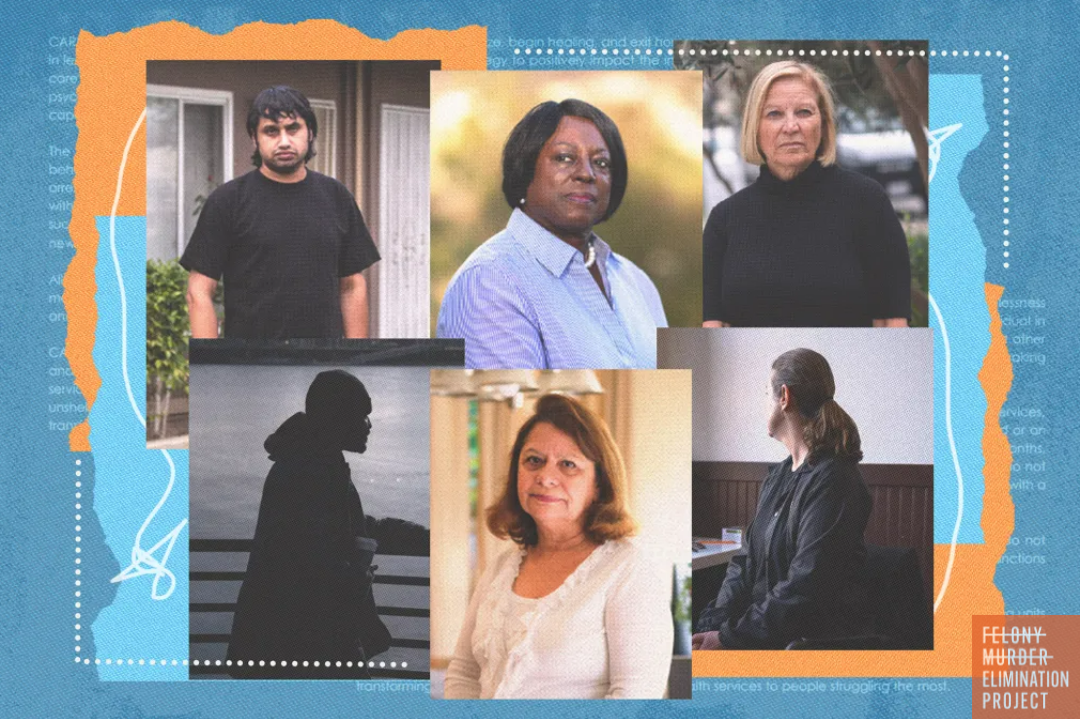
Cal Matters interviewed several people who were involved in the CARE Court process for their experiences.
June Dudas of San Diego had just learned about CARE Court, which she’d heard could compel people into treatment. Over the years, Dudas had helped her aunt fortify her fence, install multiple security cameras and file restraining orders to protect her from her son, Dudas’ cousin Ed. When not gripped by psychosis, Ed was described as a “gentle giant” who loved animals and made jewelry out of gemstones, but, when at the mercy of his delusions, could turn violent.
“I felt so defeated for my cousin,” June Dudas said. “It’s like, ‘OK, Eddy, they’re saying that when you’re well enough to understand how sick you are, then they’re ready to help you, but until then you’re on your own, buddy, and there’s nothing they’re going to do for you.’ And it just struck me as very callous.”
You can read more about the people involved in the CARE Court system in “How does Newsom’s new mental health court work? Here’s what real people involved say” at the Cal Matters website. Cal Matters CalMatters is a nonpartisan and nonprofit news organization bringing Californians stories that probe, explain and explore solutions to quality of life issues while holding elected leaders accountable.