As the use of prison lockdowns increase in the United States, FAMM (Families Against Mandatory Minimums) invites incarcerated people and/or their loved ones and advocates to share these lockdown experiences with FAMM.
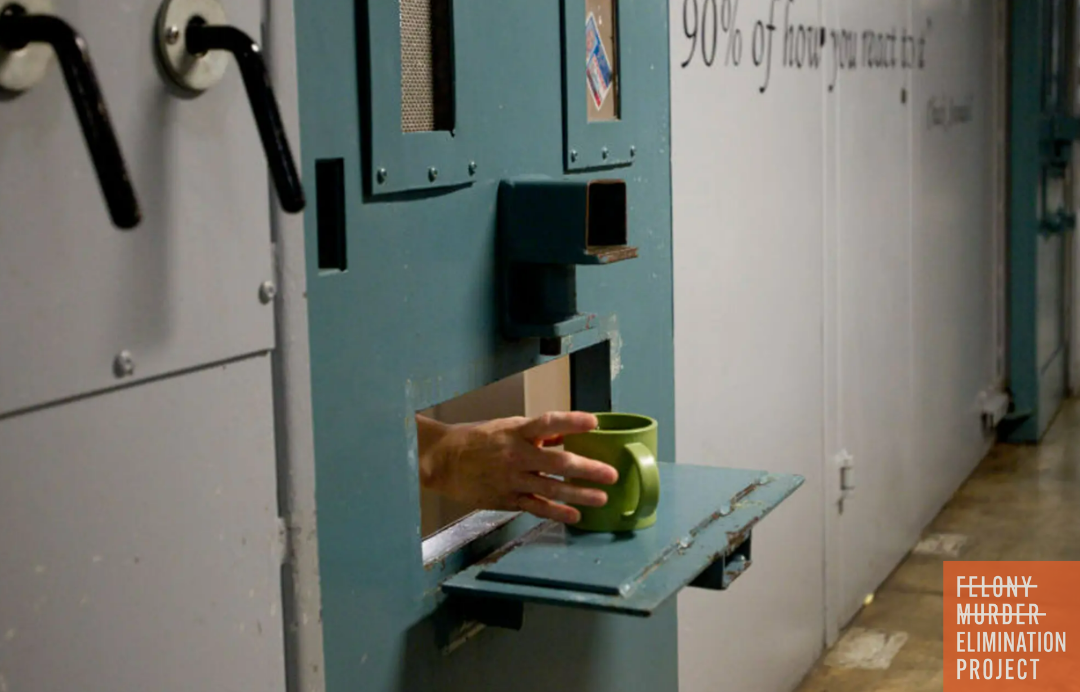
Lockdowns are common in jails and prisons nationwide, but most usually last only a few hours or days. During lockdowns, access to rehabilitative classes, religious activities, work and visitation is limited or completely suspended. Incarcerated people on lockdown can lose their usual routines, which may include exercise, calls to loved ones and other structured activities. And meals are typically eaten inside the prisoner’s cell, further isolating them.
Lockdowns are intended to be reserved for safety emergencies or to prevent the spread of violence. But in prisons nationwide, they are no longer a “rare action taken in a crisis,” as reported by The New York Times. Instead, they “are becoming a common way to deal with chronic staffing and budget shortages.”
Recently, lockdowns have been extended for weeks or even months at many facilities. There’s evidence of the increased use of prison lockdowns in the United States, driven by severe staffing shortages, rising prison populations, and sometimes linked to government shutdowns. These lockdowns lead to extended confinement, reduced services (medical/mental health), and growing concern over human rights, with many states failing to track or report these non-disciplinary lockdowns.
In some cases, the use of lockdowns intensified tensions within prison walls, at times contributing to violence between incarcerated people and staff, increased drug use and deaths by suicide. Confining people to cells 23 hours a day is cruel and counterproductive, especially when we know what really makes prisons safer.
“What’s unusual here is that you’ve got these more sustained lockdowns,” Michele Deitch, the director of the Prison and Jail Innovation Lab at the University of Texas at Austin, said. “People are not in that situation because of disciplinary reasons. They’re in there for the convenience and management of the institution.”
FAMM is asking people who have experienced these lockdowns, either through first-hand experience or as told to a loved one or supporter, for their personal stories, and want to learn more about how prisons and jails are using lockdowns.
People can use this form to learn more about the kind of information FAMM is seeking and submit their experience. —>>> Share Your Lockdown Experience With FAMM
FAMM (Families Against Mandatory Minimums) is a non-profit organization that work to create a more fair and effective justice system that respects our American values of individual accountability and dignity while keeping our communities safe.