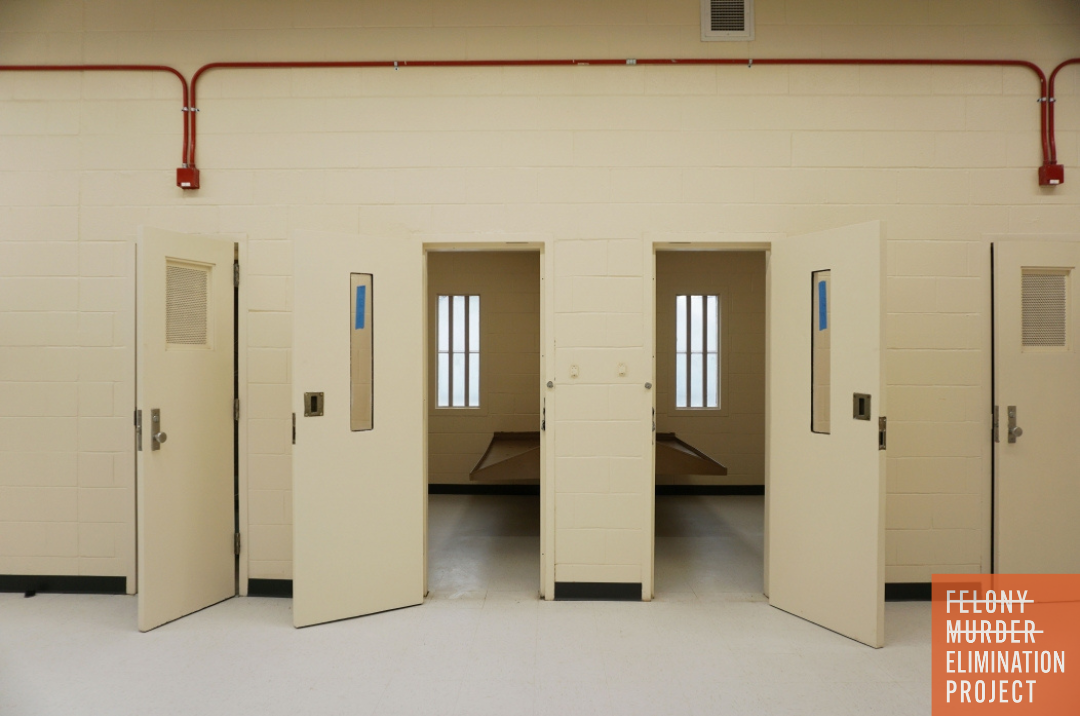
According to a yearlong review of the North Carolina’s 13 juvenile detention centers by Disability Rights North Carolina, several of those juvenile facilities are violating solitary confinement guidelines. Teenagers in some North Carolina juvenile detention centers are spending nearly the entire day locked in their cells, sometimes allowed out for only one or two hours a day.
In a 52-page report published last week, the nonprofit legal and advocacy organization outlined wide variation among the state’s juvenile detention centers, three of which are county-operated, and all overseen by the N.C. Department of Public Safety Division of Juvenile Justice and Delinquency Prevention. Differences ranged from the amount of time spent inside locked cells to disciplinary practices, education services and recreation time. The report alleges that most detention centers violate state policies governing their operations, including the use of solitary confinement-like conditions, defined as more than 22 hours a day of isolation, with what it describes as “frequency and normalcy” in five of the facilities.
The monitoring initiative began in July 2024 after the organization received an uptick of complaints about conditions in certain facilities, said Cari Carson, supervising attorney on Disability Rights NC’s education team. What started as a plan to review a couple of facilities expanded to all of them, Carson said, after early visits revealed wide variations in policies and living conditions from one center to another.
In one case, the organization’s findings prompted almost immediate action. During a late 2024 visit to the juvenile detention center in Madison County, a facility run by the local sheriff’s office, Disability Rights NC found conditions so “egregious,” Carson said, that all the youth were moved within roughly one month, and juveniles are no longer placed there. Youth who were detained at the facility reported prolonged solitary confinement; up to 120 days or four months of back-to-back stints of isolation, and abusive discipline practices, including the use of pepper spray and tasers.
“You walk into one and you have no idea what you’re going to see or learn or hear,” Carson said. “How you are treated and the opportunities that you have should not depend on which facility you happen to be assigned to.”
In only three facilities (Richmond-Jenkins, Rockingham and Alexander) youth reported spending all day or nearly the entire day outside their rooms. At those facilities, youth reported a greater sense of well-being and safety, according to the report. The Richmond-Jenkins Juvenile Detention Center is the only facility without traditional cells or room doors, and youth spend their days in a communal pod.
The report identified three detention centers (Guilford, Cumberland and Durham County Youth Home) as standing out for repeated findings of extended confinement over consecutive monitoring visits.
Research has consistently shown that prolonged isolation harms physical and mental health, increasing risks of anxiety, self-harm and suicide. Experts also warn that such confinement deprives teenagers of social interaction during a key developmental period.
“North Carolina cannot normalize having its kids locked in cells during the day,” Carson said. “We would walk onto a pod and the youth would be in their cells. That is not meeting the mission of [the juvenile justice system], and we, as a state, can’t get used to that.”
You can read more in “Conditions in NC juvenile detention centers led to a closure and a lawsuit” at the North Carolina Newsline website. NC Newsline is a Raleigh-based, nonpartisan, nonprofit newsroom dedicated to fearless reporting and hard-hitting commentary that shines a light on injustice, holds public officials accountable, and helps improve the quality of life throughout North Carolina.