The following essay, “Inside the Fragile Balance of the Prison Economy” by incarcerated writer Devin A. Giordano, appears on the Prison Writers website. On their own, informal prison economies, sometimes referred to as the illicit or underground economy, often define and mimic the social relations and structures of the incarcerated population.
This informal economy can help mitigate the various pains of imprisonment, both material and psychological. It is complex, dynamic and changing, comprised of a web of conditions, obligations and consequences. Incarcerated people have always traded, but it is what is in demand and why which is of interest.
Excerpts from the essay appear below.
I watch with uneasy eyes as the New York State Department of Corrections and Community Supervision, known as DOCCS, continues to layer precaution after precaution in its war against contraband. Scanners are installed, mail is delayed, packages are sifted through by dogs, and every corner of the facility feels under surveillance. On paper, these steps are about safety: keeping drugs out and keeping people alive. But from where I sit inside Eastern New York Correctional Facility, I can’t help but ask myself: What would really happen if they succeed? If one day the flood of K2, marijuana, Suboxone strips, and hooch is finally cut off, and the drug trade collapses? It sounds like the safer outcome. In theory, it should be. But in here, theory rarely matches reality.
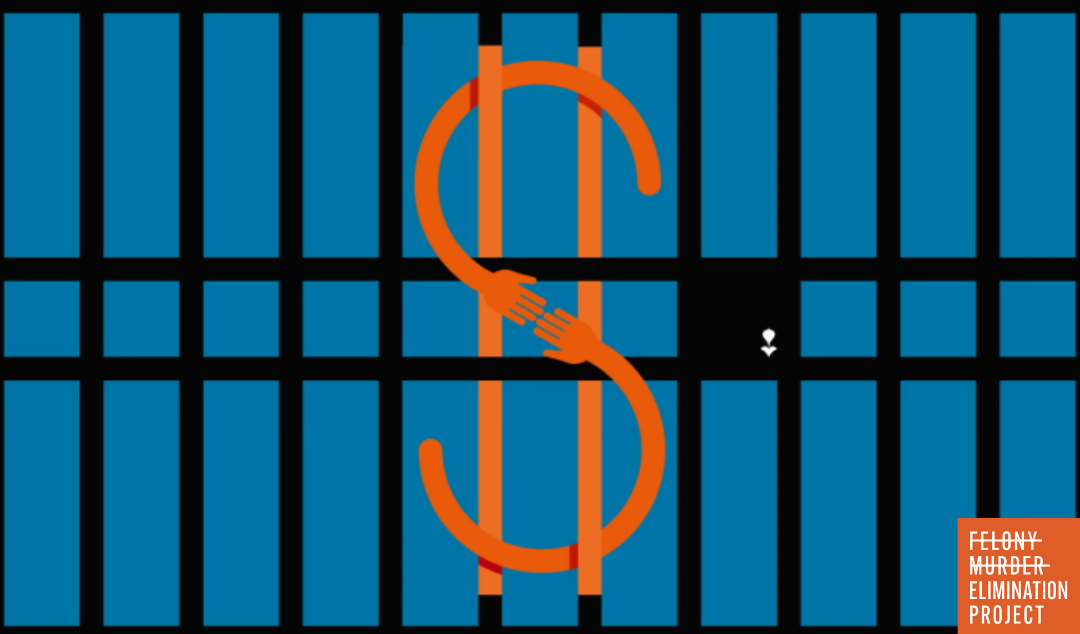
Prison, like the free world, runs on an economy. Only here, the economy doesn’t revolve around paychecks and credit cards. It’s built on scarcity, deprivation, and ingenuity. Commissary food—ramen, tuna, coffee—becomes currency. A haircut, a tattoo, or a handmade greeting card is a service industry. A loan of snacks is a micro-finance system, with interest rates that would make Wall Street blush. And the fuel that keeps it all moving, the backbone of the underground prison economy in New York’s prisons, is drugs. They’re both commodity and currency, the things most consistently in demand and most reliably profitable.
Already, technology has shifted the way prison debts work. It used to be you paid in commissary items or maybe sent a money order through a relative. Now Cash App, Apple Pay, and Zelle have made it easy to move money directly from families on the outside. I’ve seen men pressured to call home and demand hundreds of dollars to settle debts. The prison economy now extends into neighborhoods already struggling to survive. When the largest trade—drugs—is gone, that pressure won’t fade. It will only grow stronger.
I’m not blind to the harm that drugs cause. But I’ve also seen how the trade keeps a fragile balance. If that balance is destroyed without higher wages, affordable commissary, or real therapy and programming, the consequences will be catastrophic. Drugs are the keystone in a bridge that was never built strong enough to begin with. Take out that keystone and the bridge doesn’t stand tall—it collapses.
You can read the full essay, “Inside the Fragile Balance of the Prison Economy” by Devin A. Giordano, at the Prison Writers website. Prison Writers offers uncensored, personal stories and thoughtful essays from incarcerated citizens across the country about what really goes on inside the secretive world of prison corrections.