
CW: mentions of suicide, self-harm
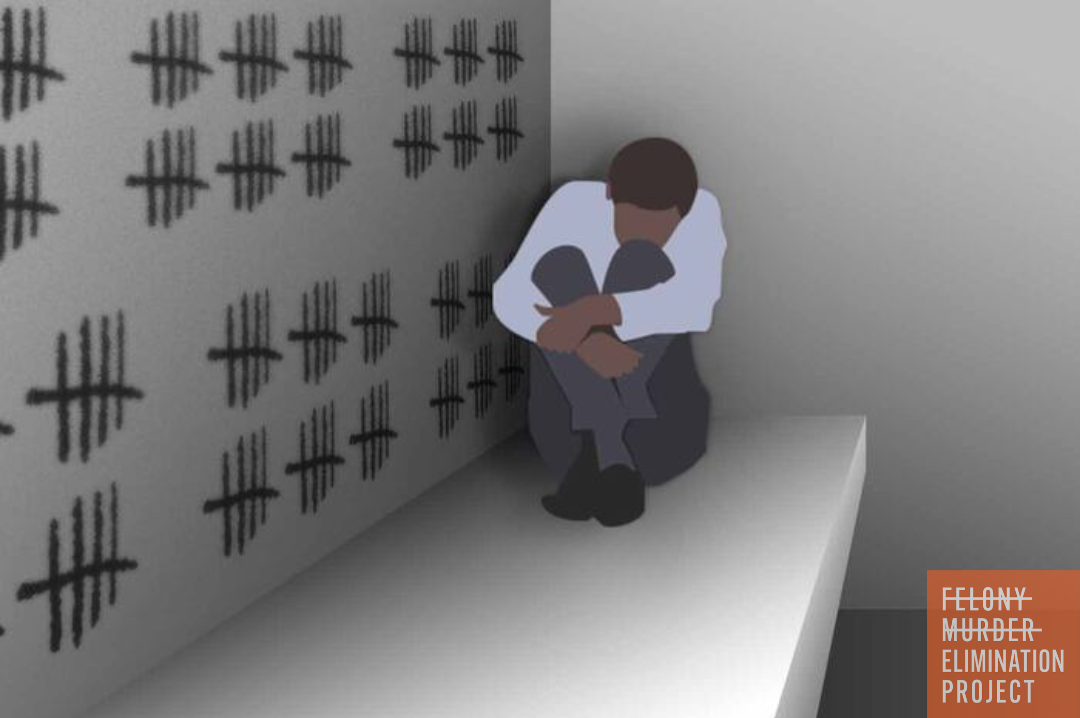
Advocates, experts, and research studies overwhelmingly support the position that ending solitary confinement saves lives and improve safety. Solitary confinement is widely considered a form of psychological torture and is associated with severe physical and mental health deterioration. International standards, such as the United Nations Mandela Rules, consider prolonged solitary confinement, duration longer than 15 days, to be torture.
Ending the practice is seen as a moral and human rights imperative, and UN human rights experts have voiced alarm at the excessive use of solitary confinement by correctional facilities in the United States. “US carceral facilities appears to routinely resort to repressive measures, such as prolonged or indefinite isolation, excessive use of in-cell restraints and needlessly intrusive strip searches,” stated Nils Melzer, UN Special Rapporteur on torture. “There seems to be a State-sanctioned policy aimed at purposefully inflicting severe pain or suffering, physical or mental, which may well amount to torture.”
“These practices trigger and exacerbate psychological suffering, in particular in inmates who may have experienced previous trauma or have mental health conditions or psychosocial disabilities,” Melzer noted. “The severe and often irreparable psychological and physical consequences of solitary confinement and social exclusion are well documented and can range from progressively severe forms of anxiety, stress, and depression to cognitive impairment and suicidal tendencies.
Contrary to the belief that solitary is a necessary management tool, some states that have reduced or closed solitary units have reported a decrease in violence within their prisons, both between incarcerated people and staff and among incarcerated people.
How does ending the inhumane use of solitary confinement save lives?
- Improved public safety and reduced recidivism: Research indicates that people released from solitary confinement are more likely to commit new crimes (recidivate) at higher rates compared to those released from the general population. Proponents of reform argue that using alternative, program-based interventions better prepares individuals for successful reintegration into the community, thus improving overall public safety.
- Reduced suicide risk: Studies have found that people who spend time in solitary confinement are significantly more likely to die by suicide following their release from prison.
- Prevention of self-harm and mental illness: Prolonged isolation can cause or exacerbate mental illnesses, leading to self-mutilation and psychosis. Replacing solitary with rehabilitative units and therapeutic programs is seen as a way to address these issues and reduce avoidable deaths.
You can read more at “Ending Solitary Confinement Will Save Minds and Lives” by Juan Moreno Haines, the editor-in-chief of Solitary Watch. Solitary Watch is a national nonprofit newsroom whose mission is to uncover the truth about solitary confinement and other harsh prison conditions in the United States by producing high-quality investigative journalism, accurate information and analysis, and authentic storytelling from both sides of prison walls.