Delays in the parole process can effectively transform “life with the possibility of parole” into a de facto life sentence without parole. Nearly half of the approximately 200,000 individuals serving life sentences are parole-eligible but remain incarcerated due to administrative, legislative, and procedural delays. Individuals paroled for murder convictions in some states served an average of 24.3 years by 2013, representing an increase of nearly double the 12.3-year average from the late 20th century.
Across the country, lawmakers in several states have increased minimum time-served requirements before initial eligibility and extended wait times between re-hearings after a denial. In some jurisdictions, individuals denied parole must wait anywhere from 1 to 15 years for their next hearing. For instance, certain federal-level rules allow for wait times of up to 8 years between reconsiderations.
Additionally, understaffing and vacancies on parole boards lead to significant hearing backlogs. In early 2025 for example, Massachusetts faced lawsuits from incarcerated individuals over extreme delays in scheduling mandated hearings. Governors in some states appoint board members who are more reluctant to grant release or require direct gubernatorial approval for parole decisions, adding another layer of potential delay.
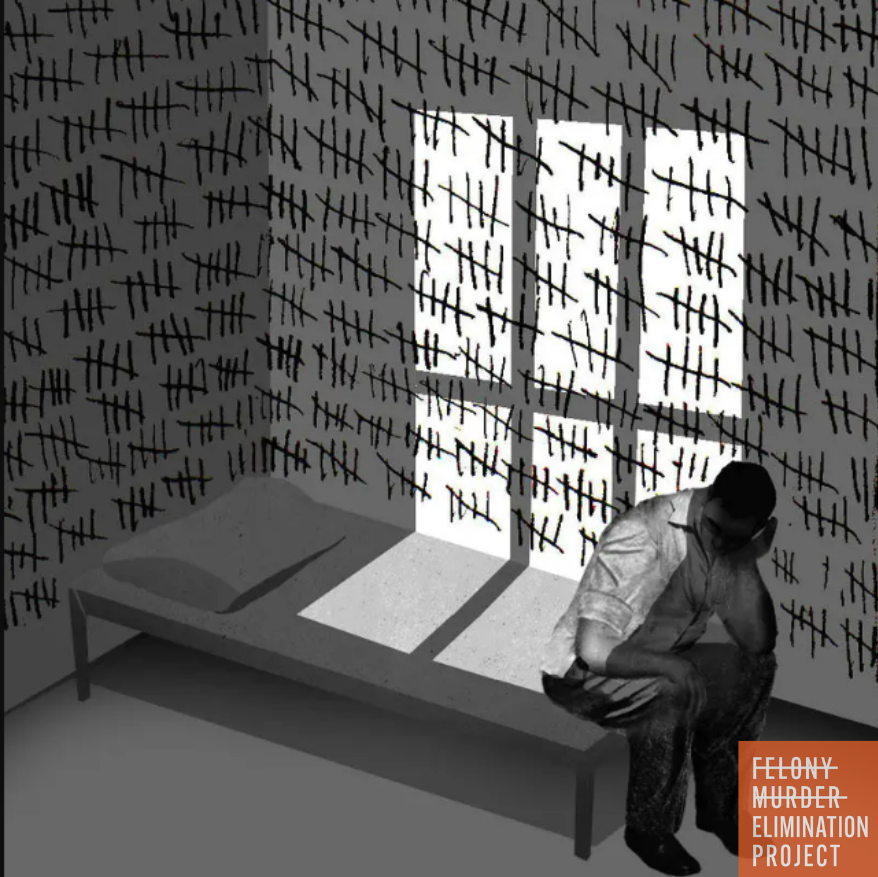
Lengthy delays mean many individuals die in prison while awaiting a hearing. In some states, more “lifers” die in custody than are actually paroled. Prolonged waiting games cause disillusionment for incarcerated people and strain family and community ties necessary for successful reintegration. This only serves to increase the sense of isolation, amplify mental health symptoms, and create a situation where otherwise compliant persons, who have met conditions to make parole, give up hope of ever being released.
Longer prison sentences are costly and divert important investments away from effective measures to prevent crime and incarceration, such as mental health support, healthcare services, jobs, education, and other resources that produce healthier and safer communities.
The Sentencing Project recommends the following measures reduce excessive sentences, improve fairness and outcomes, and to give individuals sentenced to life with parole a meaningful opportunity for release from prison:
- Allow initial parole hearings within 10 years of imprisonment
- Establish a presumption of release
- Allow re-hearings to occur annually
- Ensure procedural safeguards to promote fair consideration
- Expand release opportunities beyond parole, such as judicial sentence reviews established through second look and domestic violence survivor laws
- Prioritize respect for human dignity throughout all steps of the process
You can read more at “Justice Delayed: The Growing Wait for Parole After a Life Sentence” at the Sentencing Project website.