The role of police in responding to calls for service involving people in a mental or behavioral health crisis has been a serious challenge for policing for decades, and more jurisdictions are looking to a Co-Responder Model, changing approaches traditionally used in response to mental health calls.
The scope of the problem is enormous. The American Psychological Association reported in 2022 that 60 percent of psychologists currently have no openings for new patients. Emergency room visits by children and young adults surged by almost 60 percent between 2011 and 2020, and suicide-related visits increased five-fold. In 2021, more than 100,000 people in the U.S. died from drug overdoses, more than twice as many as in 2015.
A co-responder model pairs law enforcement officers with mental health professionals (clinicians, social workers) to respond to 911 calls involving behavioral health crises, aiming to de-escalate situations, provide immediate support, divert people from jails and emergency rooms. Instead, people experiencing a mental or behavioral health crisis are connected to appropriate care, leading to a reduction in arrests and improved community outcomes by using combined expertise for better, safer resolutions.
Teams respond together to calls concerning mental health, substance use, or homelessness. Some programs have clinicians ride with officers full-time (embedded), while others dispatch them to specific scenes when needed. Some programs have clinicians ride with officers full-time (embedded), while others dispatch them to specific scenes when needed. Co-responder teams can then connect individuals to treatment (therapists, meds) rather than just jail or hospitals.
This model offers alternatives to arrest for non-violent offenses related to mental and behavioral health crises. Often, it reduces use of force by law enforcement and helps de-escalate volatile situations much more effectively. It also allows jurisdictions to police more efficiently, freeing up police to handle other emergencies by reducing their involvement in purely behavioral health calls.
The San Mateo Police Department adopted a co-responder approach to mental health 911 calls by pairing police with mental health clinicians. In a study of the department titled “Emergency mental health co-responders reduce involuntary psychiatric detentions in the USA” researchers found that it reduced the number of future mental health emergency calls and involuntary psychiatric holds by roughly 17%.
“We’ve got to look to alternatives and really understand that police are not the best equipped to handle mental health crisis situations,” said San Mateo County Executive Officer Mike Callagy.
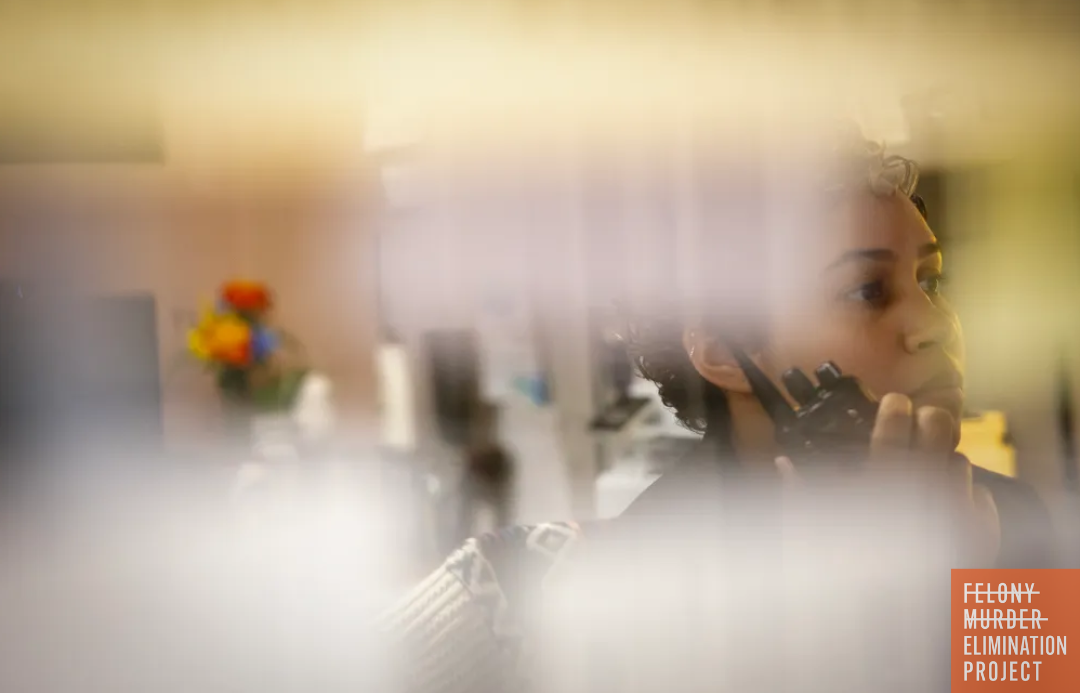
You can read more about the use of the Co-Responder model in the San Mateo Police Department in “She goes to police calls in a Prius. It’s part of new approach to mental health emergencies” at the CalMatters website. CalMatters is a nonpartisan and nonprofit news organization bringing Californians stories that probe, explain and explore solutions to quality of life issues while holding our leaders accountable.